
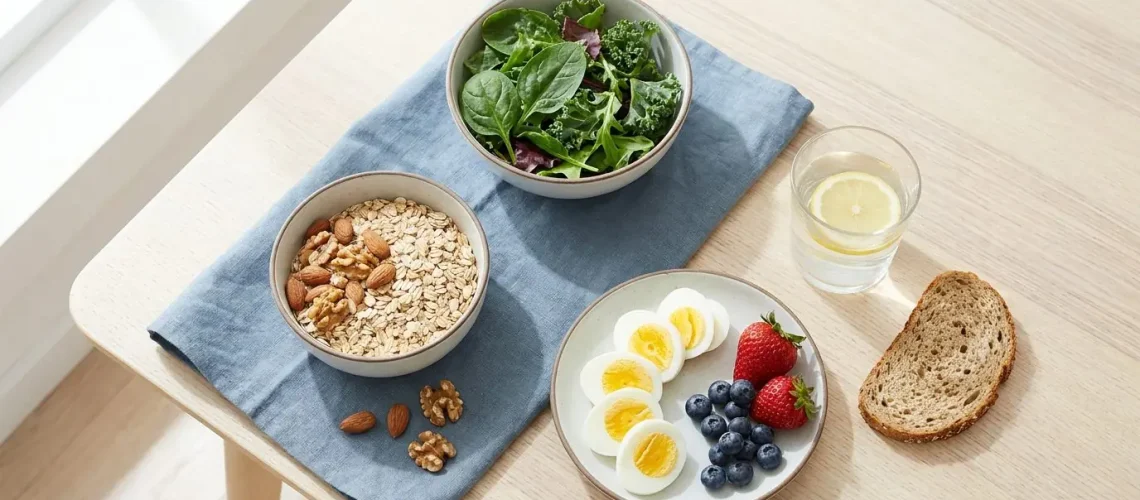
If you have been told your blood sugar is “borderline,” or you struggle to lose weight around your middle despite trying, insulin resistance may be part of the story. It is one of the most common metabolic problems in Malaysia, where roughly one in five adults lives with diabetes and many more have prediabetes. The good news is that insulin resistance is often reversible or greatly improved with the right diet and daily habits.
Insulin resistance meaning: what is actually happening?
Insulin is a hormone made by your pancreas. After you eat, it acts like a key that unlocks your cells so glucose (sugar) from your blood can enter and be used for energy. In insulin resistance, your cells stop responding well to that key. Glucose struggles to get in, so blood sugar tends to rise.
To compensate, the pancreas works harder and pumps out more insulin to force the door open. For a while this keeps blood sugar near normal, but insulin levels stay high. Over months and years, the pancreas can no longer keep up. Blood sugar then drifts upward into the prediabetes range and, if unchecked, into type 2 diabetes. Understanding this chain matters, because it explains why the problem can be present for years before a standard blood sugar test looks abnormal.
Why insulin resistance matters for your health
Insulin resistance sits at the centre of several conditions that often appear together:
Prediabetes and type 2 diabetes
It is the main driver of prediabetes and type 2 diabetes. Catching it early gives you the best chance to slow or prevent progression.
Weight and belly fat
Excess weight, especially fat stored around the abdomen and organs, worsens insulin resistance. In turn, high insulin levels make it harder to burn fat and easier to store it, creating a frustrating cycle. This is why many people find weight around the waist particularly stubborn.
PCOS, fatty liver and metabolic syndrome
Insulin resistance is a key feature of polycystic ovary syndrome (PCOS), contributing to irregular periods and difficulty conceiving. It also drives non-alcoholic fatty liver disease, where fat builds up in the liver. When raised blood sugar, high blood pressure, high triglycerides, low HDL cholesterol and a large waist occur together, doctors call it metabolic syndrome, which raises the risk of heart disease and stroke.
Signs of insulin resistance and who is at risk
Insulin resistance is often silent, which is why it is under-recognised. However, some signs and risk factors point towards it. Only a doctor can confirm it through assessment and blood tests, but the table below can help you decide whether to get checked.
| Possible signs | Risk factors |
|---|---|
| Weight gain around the waist | Family history of type 2 diabetes |
| Feeling tired or sleepy after meals | Being overweight or obese |
| Frequent hunger and sugar cravings | Physical inactivity |
| Darkened, velvety skin on the neck or armpits (acanthosis nigricans) | Previous gestational diabetes or PCOS |
| Skin tags | High blood pressure or abnormal cholesterol |
| Difficulty losing weight | South and Southeast Asian ethnicity, which carries higher risk at lower body weight |
The insulin resistance diet: what works
There is no single “magic” food. The goal is to reduce the demand for insulin at each meal and to lose excess weight if needed. In practice this means choosing carbohydrates that raise blood sugar more slowly, controlling portions, and building balanced plates with enough protein, fibre and healthy fats.
Carbohydrate quality and the glycaemic index (GI)
The glycaemic index ranks how quickly a carbohydrate raises blood sugar. Lower-GI foods produce a gentler, slower rise, which eases the load on your pancreas. For many Malaysians, white rice and sweet drinks such as teh tarik are the biggest daily contributors. Small, consistent swaps make a real difference.
| Higher-GI / higher-sugar choice | Lower-GI Malaysian swap |
|---|---|
| Large serving of white rice | Smaller portion of white rice, or switch part to brown or parboiled rice |
| Teh tarik or kopi with condensed milk | Kurang manis, or teh kosong / kopi kosong with fresh milk |
| White bread, roti canai | Wholemeal bread, thosai with less oil, or capati |
| Sugary bottled drinks and syrup cordials | Plain water or unsweetened tea |
| Plate that is mostly rice or noodles | Half the plate vegetables or ulam, with rice as a side |
Protein, fibre and healthy fats
Adequate protein at each meal, from fish, chicken, eggs, tofu, tempeh, dhal or beans, helps you feel full and steadies blood sugar. Fibre from vegetables, ulam, fruit and wholegrains slows digestion and feeds a healthier gut. Healthy fats from nuts, seeds and oily fish support satiety. Together, these blunt the blood sugar spike that refined carbohydrates cause on their own.
Insulin resistance and weight loss
If you carry extra weight, losing even 5 to 10 percent of your body weight can meaningfully improve insulin sensitivity, blood sugar and fatty liver. Weight loss does not have to be dramatic or fast to work. A steady, sustainable approach guided by a dietitian is safer and easier to maintain than crash diets, which often rebound. Structured weight management support can help you get there without feeling deprived.
Practical steps to improve insulin sensitivity
- Right-size your carbohydrate portions, especially rice and noodles, and fill half your plate with vegetables or ulam.
- Choose lower-GI carbs where you can, such as brown or parboiled rice, wholegrains, and legumes like dhal.
- Order drinks kurang manis or, better still, switch to plain water and unsweetened tea most of the time.
- Include a protein source at every meal to stay full and steady your blood sugar.
- Move your body daily. Even a 15 to 30 minute walk after meals helps your muscles use up glucose.
- Add some resistance or strength work each week, as muscle is a major site for clearing blood sugar.
- Prioritise sleep and manage stress, since poor sleep and high stress hormones worsen insulin resistance.
- If you are above a healthy weight, aim for gradual, sustained weight loss rather than crash dieting.
Can insulin resistance be reversed?
In many people, yes. Because insulin resistance responds strongly to food, movement, weight and sleep, consistent changes can restore much of your insulin sensitivity, particularly when it is caught at the prediabetes stage. The word to remember is consistency rather than perfection. Small changes you can keep up for years beat strict rules you abandon in a month.
Diet is a powerful tool, but it works best alongside proper medical care. Insulin resistance and its related conditions need a medical assessment, including blood tests, to diagnose and monitor. Nutrition complements, and does not replace, the advice of your doctor. If you take medication for blood sugar, blood pressure or cholesterol, do not stop or change it on your own, as your diet changes may mean your doctor needs to adjust the dose.
How Home Dietitians can help
Every person’s body, blood results and eating habits are different, so there is no one-size-fits-all plan. Our registered dietitian, Jaceme Chuah, translates the science into a practical eating plan built around your favourite Malaysian foods, your routine and your health goals, working alongside your medical team. Whether your focus is prediabetes, PCOS, fatty liver or losing stubborn belly fat, a personalised plan makes change achievable. To take the next step, book a consultation with our dietitian and get a plan built for you. You can also explore our approach to diabetes nutrition to see how we support blood sugar health.
Frequently Asked Questions
Is insulin resistance the same as diabetes?
No. Insulin resistance means your cells respond poorly to insulin, but your body can often keep blood sugar near normal for years by making extra insulin. Diabetes is diagnosed later, when blood sugar rises past defined thresholds. Insulin resistance is an early warning stage where action is especially effective.
How is insulin resistance diagnosed?
There is no single simple test used routinely. Doctors look at the overall picture, including your fasting blood glucose, HbA1c, cholesterol, waist size, blood pressure and medical history. Please see your doctor for assessment and blood tests rather than trying to self-diagnose, as this guides the right care.
Do I have to give up rice completely?
No. Rice can stay in your diet. The key is portion size and balance, pairing a smaller serving of rice with plenty of vegetables and a protein source, and considering brown or parboiled rice for part of your intake. A dietitian can help you find portions that suit your blood sugar and lifestyle.
Can I still eat at hawker stalls and mamak?
Yes, with a few habits. Ask for drinks kurang manis or choose plain water, add vegetables or ulam where you can, request less rice or noodles, and lean towards grilled, soup or stir-fried dishes over deep-fried, sugary or heavily sweetened options. Eating out can absolutely fit an insulin-friendly plan.
How long does it take to see improvement?
Some people notice more stable energy and reduced cravings within a few weeks of consistent changes, while blood test improvements usually show over a few months. Progress depends on your starting point, how much weight you carry and how consistent the changes are. A dietitian can help you track meaningful markers over time.