Polycystic ovary syndrome (PCOS) is one of the most common hormonal conditions affecting women of reproductive age, and what you eat can genuinely help you feel more in control of it. Here in Malaysia, where nasi lemak, teh tarik and roti canai are part of daily life, building a PCOS-friendly diet does not mean giving up the foods you love, but learning how to balance them. This guide from our registered dietitian, Jaceme Chuah at Home Dietitians, walks you through a practical, evidence-based approach to eating well with PCOS.
What Is PCOS and Why Does Diet Matter?
PCOS is a hormonal condition that can cause irregular or missed periods, difficulty conceiving, acne, unwanted hair growth, and weight that is hard to shift. It is a medical diagnosis, usually made by a doctor based on your symptoms, blood tests and sometimes an ultrasound, so if you suspect you have PCOS, please see a doctor first. Diet is a powerful tool that works alongside your medical care, not a replacement for it.
A key reason diet matters so much is insulin resistance, which affects a large proportion of women with PCOS. When your body becomes less responsive to insulin, it produces more of it, and higher insulin levels can worsen hormonal imbalance and make weight gain more likely. This also raises your long-term risk of type 2 diabetes, which is especially relevant in Malaysia, where diabetes rates are among the highest in the region. The good news is that the way you eat can meaningfully improve insulin sensitivity.
The Core Principles of a PCOS Diet
There is no single “PCOS diet” that suits everyone, but the evidence points clearly to a few principles that help most women manage their symptoms. The goal is steady blood sugar, balanced hormones and sustainable habits, not quick fixes or crash diets.
1. Choose Lower-GI Carbohydrates
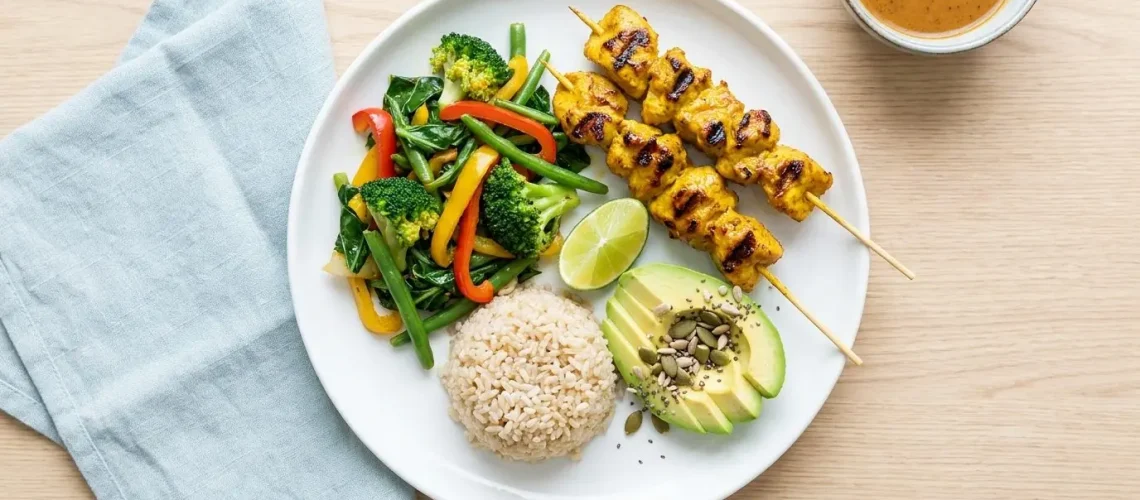
The glycaemic index (GI) measures how quickly a food raises blood sugar. Lower-GI carbohydrates release glucose more slowly, which helps keep insulin steady. In a Malaysian kitchen this can be as simple as switching white rice for brown rice or a smaller portion mixed with vegetables, choosing wholegrain bread and oats over white bread, and pairing any carbohydrate with protein and fibre to slow its absorption.
2. Build Balanced Plates With Protein and Fibre
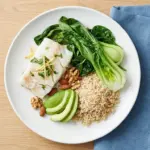
Adequate protein at each meal, such as chicken, fish, eggs, tofu, tempeh or dhal, helps you feel full and supports muscle. Fibre from vegetables, fruit, wholegrains and legumes further slows digestion and feeds a healthy gut. A helpful mental model is to fill half your plate with vegetables, a quarter with protein, and a quarter with a lower-GI carbohydrate.
3. Favour Anti-Inflammatory Whole Foods
PCOS is associated with low-grade inflammation, so whole, minimally processed foods tend to help. Think oily fish such as mackerel (ikan kembung), nuts, seeds, olive and other healthy oils, plenty of colourful vegetables, and fresh fruit. These naturally displace the ultra-processed snacks and sugary drinks that can aggravate symptoms.
4. Aim for Sustainable, Gentle Weight Management
If you are carrying extra weight, research shows that losing even 5 to 10 percent of your body weight can improve menstrual regularity, fertility and insulin sensitivity. This does not require extreme dieting. Slow, steady weight management through balanced eating and regular movement is far more effective and kinder to your hormones than crash dieting, which can actually worsen stress and hormonal balance.
PCOS Foods to Eat vs Foods to Limit
- Enjoy freely: non-starchy vegetables (sawi, kangkung, broccoli, long beans), oily fish, chicken, eggs, tofu, tempeh, dhal and beans, brown rice, wholegrain and oats, nuts and seeds, fresh fruit such as guava, papaya and berries.
- Enjoy in moderation: white rice and noodles (smaller portions with protein and vegetables), starchy foods like potato and sweet potato, wholemeal roti, and fresh fruit juice without added sugar.
- Limit: sugary drinks (sweetened teh tarik, bandung, soft drinks and packaged juices), kuih and desserts high in sugar, deep-fried foods (goreng pisang, fried chicken skin), refined white bread and pastries, and heavily processed snacks.
- Smart swaps: ask for teh tarik or kopi kurang manis (less sweet) or kosong, choose plain water or unsweetened drinks, request less rice and more vegetables, and pick grilled or soup-based dishes over deep-fried ones.
A Sample PCOS-Friendly Malaysian Meal Plan
This one-day example shows how PCOS-friendly eating can still be satisfying and familiar. It is a general illustration only, and your ideal portions and choices should be personalised to your needs.
| Meal | PCOS-Friendly Malaysian Option |
|---|---|
| Breakfast | Rolled oats cooked with milk, topped with chia seeds and sliced banana or guava, plus one boiled egg |
| Lunch | Small portion of brown rice with grilled ikan bakar, stir-fried kangkung and a side of cucumber; teh o kosong or plain water |
| Snacks | A handful of unsalted nuts and a piece of fresh fruit, or plain yoghurt |
| Dinner | Sup ayam with plenty of vegetables and tofu, a small serving of wholegrain rice or two thin wholemeal chapati |
Navigating Hawker and Mamak Food With PCOS
Eating out is unavoidable in Malaysia, and you do not have to skip it. When you visit a hawker centre or mamak, look for grilled, steamed or soup-based dishes rather than deep-fried options, ask for extra vegetables, and take a smaller portion of rice or noodles. Yong tau foo in clear soup, sup, chicken with a large side of vegetables, or a thosai with dhal are all reasonable choices. Order your drinks kurang manis or kosong, since sugary drinks are one of the biggest hidden sources of blood-sugar spikes in the local diet.
A Note on Safety
PCOS needs a proper medical diagnosis, and diet works best as part of a wider care plan that may include your doctor and other health professionals. Nutrition can complement your medical treatment, but it does not replace it. Individual results vary depending on your body, symptoms and overall health, which is why a personalised plan tends to work far better than generic advice found online.
If you would like a plan built around your body, your symptoms and your favourite local foods, we are here to help. To get tailored, professional guidance for your PCOS, book a consultation with our dietitian and start working towards steadier hormones and better long-term health.
Frequently Asked Questions
Can the right diet cure PCOS?
There is currently no cure for PCOS, but diet is one of the most effective ways to manage it. Eating to support insulin sensitivity and a healthy weight can improve periods, fertility, skin and energy, and lower your long-term risk of type 2 diabetes. Think of it as ongoing management rather than a one-time fix.
Do I have to give up rice and roti completely?
No. Carbohydrates are not the enemy, but the type and portion matter. Choosing lower-GI options like brown rice or wholegrain, keeping portions moderate, and always pairing them with protein and vegetables lets you keep enjoying local staples while keeping blood sugar steadier.
Is a low-carb or keto diet best for PCOS?
Some women find that reducing refined carbohydrates helps, but very restrictive diets such as strict keto are hard to sustain and are not necessary for everyone. A balanced, lower-GI approach that you can maintain for life is usually more effective than an extreme plan you abandon after a few weeks. A dietitian can help you find the right balance for you.
How much weight do I need to lose to see improvements?
If you are above a healthy weight, losing just 5 to 10 percent of your body weight can already improve menstrual regularity and insulin sensitivity. That might mean around 3 to 6 kilograms for someone weighing 60 kilograms, achieved gradually. Not everyone with PCOS needs to lose weight, so this should be individualised.
Why does PCOS raise my diabetes risk?
Because PCOS is closely linked to insulin resistance, the body often has to work harder to keep blood sugar in range. Over time this can progress toward type 2 diabetes, a particular concern in Malaysia given the high national rates. Managing your diet early is one of the best ways to protect your future health.