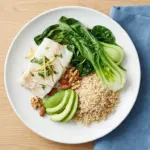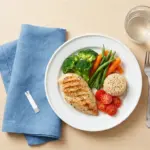
Confinement Food in Malaysia: What You Can and Cannot Eat (Dietitian Guide)
Table of Contents

How should postpartum mothers eat?
Initial Stage – Semi-Liquid or Liquid Foods:
Postpartum women have expended a significant amount of energy and strength during childbirth, and their bodies are in a recovery phase. It’s advisable to consume semi-liquid or liquid foods like porridge and soups in the first few hours after giving birth to facilitate digestion.
Key Importance of High-Quality Protein:
Protein is crucial during the postpartum period, as it acts like the building blocks necessary for body repair. In the first six months after childbirth, women require about 20 grams of additional protein compared to the standard protein requirements of normal women. This extra protein is equivalent to two to three servings, roughly the size of one’s palm.
Consuming high-quality protein sources like deep-sea fish, lean meat, chicken, eggs, duck, and milk not only ensures an ample milk supply for breastfeeding but also promotes wound healing. It’s recommended to include legumes such as chickpeas, edamame, black beans, and soybeans in the diet, as they contain abundant plant-based proteins, vitamin Bs, and minerals. If you consume soy-containing foods like tofu, dried bean curd, and soy milk twice a day, it can contribute to breast health.
However, moderation is essential as excessive protein intake can overload the liver and kidneys and may lead to obesity. Generally, an ideal daily protein intake is about 75 grams, which is equivalent to roughly two eggs, one serving of fish, a palm-sized portion of chicken or pork, and a cup of soy milk.
Combatting Postpartum Constipation:
Postpartum women often experience constipation. To alleviate this, it’s recommended to consume foods rich in dietary fiber and maintain adequate hydration. Vegetables such as sweet potatoes, sweet potato leaves, lotus roots, cauliflower, and bell peppers are excellent sources of dietary fiber.
Some people avoid vegetables postpartum, assuming they have a cooling property and, therefore, opt for meat to boost their energy. However, many vegetables can be “warming” when appropriately cooked with ingredients like ginger or spices. Vegetables are rich in vitamins, making them essential for a mother’s recovery, but they should always be well-cooked.
What foods and fruits should you avoid during confinement?
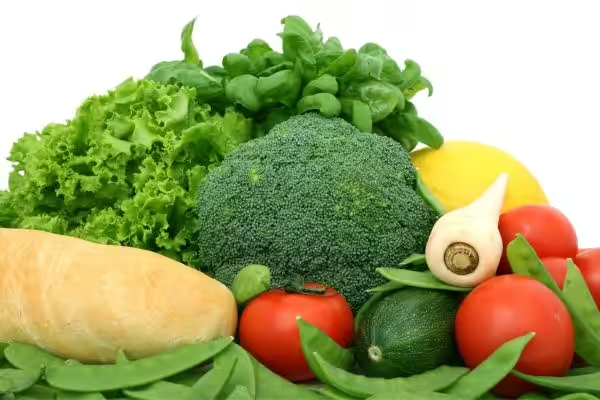
Postpartum women should prioritize consuming fruits and vegetables, especially those high in vitamin C and fiber. Recommended fruits and vegetables include pomegranates, kiwi, bell peppers, avocados, papayas, and tomatoes. These can aid in wound healing and enhance iron absorption from plant-based sources in the intestines. It’s essential to choose fruits carefully and avoid overripe or spoiled fruits, as they can be high in sugar and may contain molds.
Some foods should be avoided, such as raw salads, sushi, cold dishes, and overnight leftovers, as they can lead to digestive problems, especially in women with weakened postpartum constitution.

Are there any restrictions on cooking methods and seasoning methods?
It is recommended to use cooking methods such as stewing, simmering, and making soups to increase nutritional value and promote milk production. Using a well-balanced diet and opting for simpler cooking methods is advisable. Postpartum women should be cautious about using excessive salt, oil, and sugar in their diets. While a low-salt, low-oil, and low-sugar diet is generally a good idea, complete avoidance of salt, oil, or sugar is not necessary.

Can you eat out or order takeaway during confinement?
Of course. Balanced meals are key when eating out. It depends on the choices made by postpartum women when dining outside. When eating out, consider ordering a variety of vegetables, mushroom-based soups, poultry or tofu, along with a portion of rice. In restaurants with better options, you can even choose whole-grain or brown rice instead of white rice. For takeout, you can opt for mixed rice or dishes that offer a diverse selection or pair rice with vegetable dishes.

What can you drink during confinement? Coffee, alcohol and other drinks
Postpartum women should focus on a balanced beverage intake. It is essential to avoid alcoholic beverages and limit the consumption of caffeine-containing drinks. Drinking alcohol during this period can interfere with nutrient absorption and lead to the loss of calcium and bodily fluids. While moderate caffeine consumption is acceptable, it’s important to keep it below 300 milligrams per day, equivalent to around 1.5 cups of regular coffee.

Caloric Intake During Postpartum Period
The caloric requirements during the postpartum period are higher than during pregnancy. Postpartum women need an additional 500 calories per day. However, it’s not necessary to follow an extreme “replenishment” diet. The focus should be on resting and recovering first, without any urgent need to lose weight. Weight loss can come later. The aim is to recover, and then adjust the diet gradually. It is essential to have a balanced diet and consume a variety of foods to meet daily energy requirements. It’s important for postpartum women to be well-nourished and focus on balanced nutrition to support their overall health.

Comparison Between Modern and Traditional Postpartum Diets
Modern postpartum diets have evolved from traditional practices. Some older customs, such as avoiding bathing and using hot water during confinement, have been revised to fit the conveniences of modern living. While traditional customs have their merits, it is essential to understand the underlying reasons for various practices and adapt them to the individual needs of postpartum women. The key is to prioritize the health, comfort, and well-being of the mother. It’s important to follow cultural practices when they align with modern nutritional guidelines, and when necessary, consult nutritionists and qualified healthcare providers for guidance on a balanced postpartum diet. Adaptation and flexibility are essential in modern postpartum practices.
Confinement food questions we are asked most
Can I eat eggs during confinement?
Yes. Eggs are a high-quality protein that supports wound healing and milk supply. Around two eggs a day fits comfortably within the roughly 75 g of protein a day described above. Cook them fully.
Can I drink coffee during confinement?
Moderate caffeine is acceptable. Keep it under 300 mg a day, about one and a half cups of regular coffee, and reduce it if your baby seems unsettled after feeds. Avoid alcohol entirely while recovering and breastfeeding.
Can I eat durian during confinement?
There is no nutritional reason to ban durian. It is energy-dense and high in sugar, so a small portion occasionally is fine. Limit it if you had gestational diabetes or are watching your weight, and avoid it if it upsets your digestion.
Can I eat papaya and other fruit during confinement?
Yes. Fruit rich in vitamin C and fibre, such as papaya, kiwi, pomegranate and tomato, helps wound healing and iron absorption. Choose fresh, ripe fruit and avoid anything overripe or spoiled.
What should I eat after a caesarean?
The same principles apply, with extra attention to healing: protein at every meal, vitamin C-rich fruit and vegetables, enough fibre and fluids to prevent constipation, and well-cooked food. Follow your surgeon’s advice on any specific restrictions.
Is traditional Chinese confinement food healthy?
Dishes built on ginger, sesame oil, herbal soups and well-cooked vegetables fit a balanced recovery diet when oil, salt and sugar are kept moderate. Traditional practices can be adapted to modern nutrition guidance rather than followed or rejected wholesale.
Planning your confinement meals? Our pregnancy, confinement and women’s health nutrition service builds a personalised plan around your recovery, breastfeeding and the food you actually eat.
For more support, see our hub on Healthy Ageing Nutrition.
Planning your confinement meals or eating for pregnancy and breastfeeding? Get a personalised plan from our registered dietitian through our pregnancy and women’s health nutrition service.
Related guides
Ready for a plan built around you?
Support strength, memory and recovery with the right nutrition at every life stage. Every consultation is one-to-one with our registered dietitian.