
A bowl of porridge brings warmth to cancer patients
Table of Contents
The Deliciousness and Nutrition of Porridge
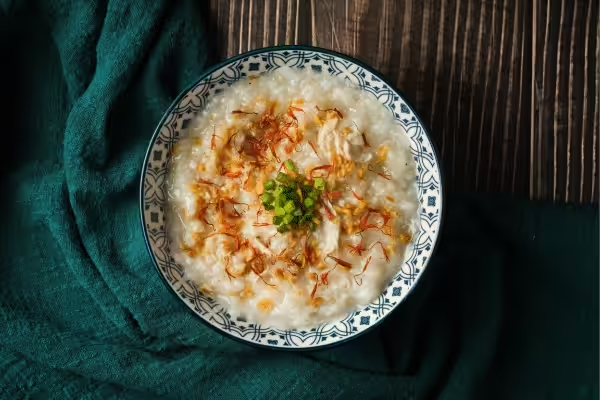
Porridge has always been one of the staple foods in people’s daily lives from ancient times to the present day. In different regions and cultures, porridge has many different variations, such as Teochew porridge, mixed porridge, meat porridge, etc., each with its own unique taste and ingredients.
Porridge is an easily digestible food, making it suitable for people of all ages, from infants starting with liquid porridge when learning to eat, to the common choice for breakfast for the elderly. Porridge is a traditional, nutritionally rich, and diverse food that is widely loved and consumed.
When ill, we often recommend eating some light foods, and porridge is one common choice. Similarly, for cancer patients, porridge is also a good option. As cancer treatment often comes with side effects such as nausea, vomiting, and loss of appetite, porridge, being a soft and easily digestible food, does not burden the digestive system excessively.
What to Do If You Can't Eat During Cancer Treatment?
In dietary consultations, cancer patients often ask what to do if they have no appetite during treatment.
During cancer treatment, many patients often face discomfort such as nausea and vomiting, making them more inclined to choose soft and easily digestible foods. Especially for patients with nasopharyngeal cancer and oral cancer after treatment, due to damaged oral mucosa, they often face challenges in swallowing, so choosing soft foods like porridge is a very wise choice. Plain porridge is rich in water and easy to digest, making it an ideal choice for cancer patients during treatment.
In addition, porridge can be customized with various ingredients according to personal taste and needs, such as vegetables, meats, beans, etc., to increase nutritional richness while providing patients with the necessary energy and nutrients to maintain their health. Therefore, porridge is a popular dietary choice during treatment, helping cancer patients through difficult times. Furthermore, porridge is easy to eat and digest, making it a suitable option for those experiencing nausea or mouth sores as a side effect of cancer treatment. Additionally, the soft texture of porridge can be comforting for patients who may have difficulty swallowing or chewing. Overall, porridge serves as a versatile and nourishing meal for cancer patients, offering them the sustenance they need to combat their illness. Authentic five spice spring roll recipe is another dish that can provide cancer patients with a flavorful and nutritious meal. This dish combines a blend of aromatic spices and fresh vegetables, offering a burst of flavor and essential nutrients. Incorporating diverse dishes like this can help diversify the diet of cancer patients, ensuring they receive a wide range of nutrients to support their health during their treatment.
When making plain porridge, we can choose different grains as the base, such as millet, quinoa, purple rice, and white rice, and pair them with protein-rich ingredients such as tofu, fish, meat, and various colored vegetables or tubers, such as pumpkin, purple sweet potato, yam, lotus root, etc. This not only enriches the taste but also provides diverse nutritional components, helping to maintain the patient’s body in a healthy state.
Protein Intake Is Particularly Important
Protein intake is particularly important for cancer patients, especially for those who have just undergone surgery or have wounds. Adequate protein intake can promote the healing process of wounds and help restore body health. Generally, the protein intake for cancer patients is calculated based on body weight, typically ranging from 1.2 to 2.0 grams per day, so do not neglect protein intake.
Proteins come in a variety of sources, including tofu, chicken, pork, fish, beef, shrimp, and dried bean curd sticks, etc. For patients with swallowing difficulties, foods should be prioritized based on texture, with preference given to beans > fish > meat.
Protein intake not only prevents muscle loss but also helps improve the body’s ability to produce antibodies and enhance immunity. Protein is an important component in building body tissues, including muscles, bones, skin, etc., so adequate protein intake can maintain muscle health and prevent muscle loss.
In addition, protein is also one of the essential nutrients for the body to produce antibodies. By enhancing the function of the immune system, it helps the body resist diseases and infections. Therefore, cancer patients need to pay special attention to adequate protein intake during treatment to maintain body health and enhance immunity.
Diversify the diet for balanced nutrition
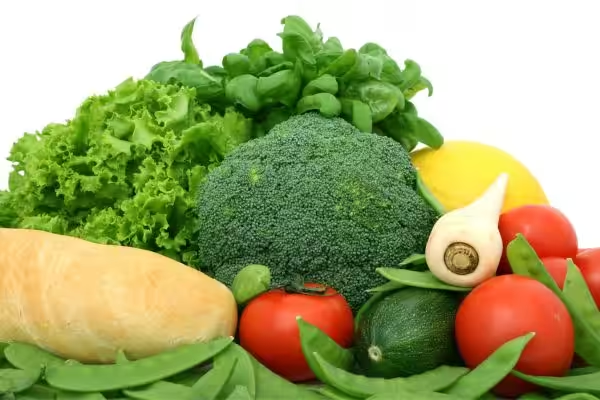
All kinds of food are crucial for patients with dementia, including vegetables, fruits, proteins, fats, and whole grains. By maintaining a balanced diet and providing diverse nutrition, it helps promote brain health.
In terms of consuming fruits and vegetables, it is recommended to choose fruits and vegetables of different colors, such as bell peppers, tomatoes, radishes, onions, black fungus, eggplants, and various mushrooms.
Fruits and vegetables of different colors contain various plant compounds, including rich vitamins A, C, E, and antioxidants, which are extremely important for protecting nerve cells from oxidative stress and free radicals. This is helpful for preventing or slowing down the development of dementia.
Increase the intake of leafy vegetables
Increasing the intake of leafy vegetables is particularly important for dementia patients. This is because dementia patients may have higher concentrations of homocysteine in their blood, which is a risk factor for cardiovascular and cerebrovascular diseases.
To reduce homocysteine levels, it is recommended to increase the intake of leafy vegetables rich in vitamin B6, B12, and folate, such as spinach, kale, broccoli, and choy sum. The vitamins in these vegetables help regulate homocysteine levels, thereby reducing the risk of cardiovascular and cerebrovascular diseases.
In addition, dietary fiber in fruits and vegetables helps maintain good intestinal function, maintaining the overall health of dementia patients.
Ensure a variety of good fats
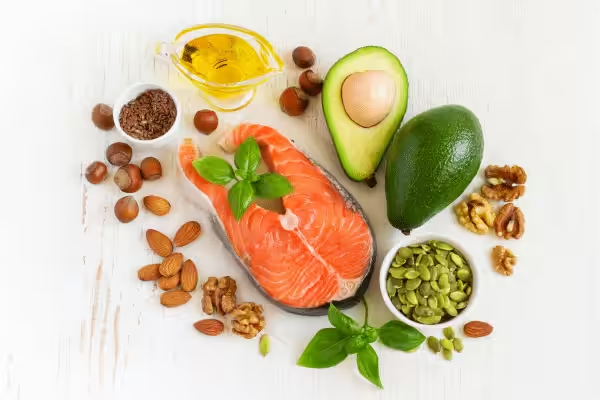
Consuming good fats is also essential, and it is recommended to choose oils rich in monounsaturated fatty acids, such as extra virgin olive oil, avocado oil, nut oil, perilla oil, and bitter tea oil, consuming at least 2 tablespoons a day, which can be drizzled over food or eaten with food.
Nuts contain unsaturated fatty acids and rich vitamin E, especially walnuts, which can be ground into sauce or powder for easy swallowing, avoiding choking. These foods help fight inflammation, prevent vascular blockages, and delay dementia.
Fish or plant-based protein as a protein source
For dementia patients with poor oral health and swallowing difficulties, increasing the intake of boneless fish or boneless deep-sea fish can increase the intake of unsaturated fatty acids.
It is recommended to consume deep-sea fish such as sardines, mackerel, salmon, and kingfish two to three times a week. Avoid overly tough or fibrous meats, such as pork, chicken, offal, etc. If the meat is too tough, it can be cut into small pieces or minced.
Soy products can replace some meat products, which are soft in texture, easy to swallow, and easy to digest. Soybeans, black beans, soybeans, tofu, and other plant-based proteins are rich in dietary fiber, which helps improve intestinal health. Each meal should include at least one serving of high-quality protein, such as lean meat, fish, eggs, or tofu.
Ensure adequate daily fluid intake
Consider increasing fluid intake through soups and other forms. In the case of dementia, patients may forget to drink water or ignore the need for water, so providing a variety of liquid options may help increase fluid intake.
However, if patients face swallowing difficulties, thickeners can be used to adjust the viscosity of the drinks, making them easier to swallow and ensuring that patients receive enough fluids safely and reliably.
Another method is to increase the viscosity of beverages by adding starchy foods such as pumpkin soup, corn soup, red bean water, etc., to reduce swallowing difficulties and increase the nutritional value of beverages.

Summary
In summary, proper nutrition is crucial for the overall health of patients with dementia, not only helping to maintain good nutritional status but also preventing muscle loss. In this caregiving journey, caregivers play an indispensable and crucial role, responsible for ensuring that patients receive adequate nutritional support.