
Introduction
The pattern feels familiar. A new diet trend spreads across social media, a friend swears it changed their life, and the before-and-after photos look almost magical. So the plan starts on Monday, the rules are strict, the first week feels exciting, and the scale finally moves. For a moment, it seems like this might be the answer.
Then real life pushes back. Work runs late, family dinners pop up, cravings grow stronger, and the strict rules start to crack. A few u201cslip upsu201d turn into, u201cIu2019ve blown it anyway,u201d and very quickly the lost weight creeps back. For many people in Kuala Lumpur and the Klang Valley, this yo-yo pattern has repeated more times than they can count. It is exactly this cycle that sits at the heart of Why Fad Diets Fail: Sustainable Weight Loss With A KL Dietitian.
Fad diets focus on quick changes on the scale, not on the deeper reasons weight and health are out of balance. They rarely consider medical conditions, medications, stress, sleep, or culture. As registered clinical dietitians at Home Dietitians in Kuala Lumpur, we see the same pattern again and again. People blame themselves, when in reality, the plan they followed was never designed for long-term success.
In this article, we walk through why fad diets fail from both a body and mind point of view, and how a KL dietitian can guide a safer, steadier path instead. You will learn how to spot fad diet red flags, what a sustainable approach really looks like, and what it feels like to work with Home Dietitians in Bukit Damansara or online.
As our team often tells clients, u201cIf a plan only works for a month, it doesnu2019t work.u201d
By the end, the aim is simple: for you to feel informed, less frustrated, and ready to choose an approach that respects both your health and your life.
Key Takeaways
Fad diets rely on strict rules and fast promises. They often remove whole food groups and cut calories too low, creating nutritional gaps and slowing the body rather than helping it.
Early weight loss is often water and muscle, not fat. This is why weight returns quickly once normal eating resumes; the body has not learned new habits or a stable way to manage energy.
Lasting weight management needs more than a food list. It calls for personal nutrition, support for behavior change, and guidance that respects medical conditions. A registered dietitian is trained to provide this level of care.
Home Dietitians in Kuala Lumpur offers evidence-based programs with registered clinical dietitians, both online and in our Bukit Damansara clinic. Plans are built around each personu2019s health, culture, lifestyle, and family needs.
Real progress comes from habits and a healthier relationship with food. It does not come from jumping between restrictive rules. Working with a KL dietitian helps turn small daily steps into changes that last.
What Are Fad Diets And Why Do They Seem So Appealing?
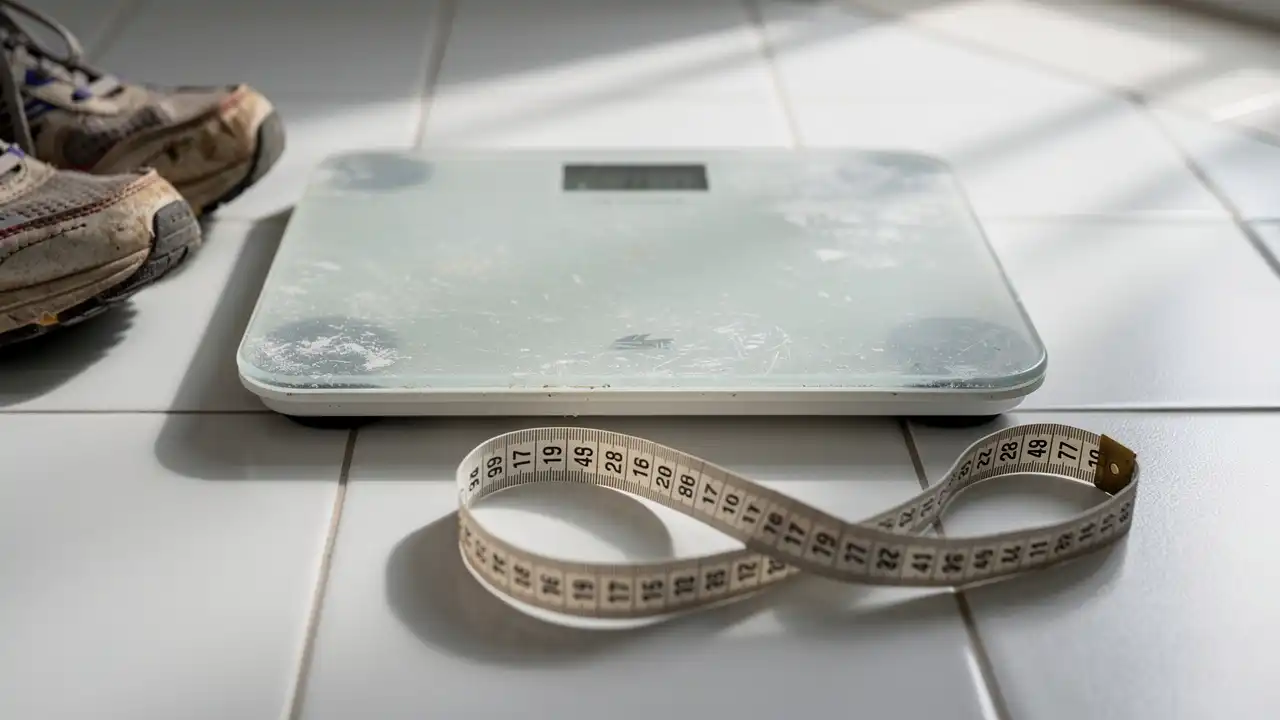
Fad diets are eating plans that explode in popularity, promise rapid weight loss, and often claim the effort will be u201cminimalu201d if the rules are followed perfectly. They focus on one simple idea, such as cutting out all carbohydrates or drinking only juices, and package it as a fresh discovery u2013 the missing piece other methods u201cforgot.u201d
These diets spread quickly because they fit neatly into catchy posts, short videos, and dramatic success stories. Celebrity endorsements, influencer testimonials, and glossy marketing add to the appeal. When someone feels stuck and unhappy with their body or health, the promise of u201cjust follow these steps and the weight will melt offu201d feels comforting.
Common examples include juice cleanses, baby food diets, extreme low-calorie plans, and strict elimination diets that cut out large chunks of normal eating. Before-and-after photos seem to prove they work, yet those images rarely show what happens three or six months later. The early weeks may deliver a quick drop on the scale, which can feel validating after months or years of struggle.
This first win is often what hooks people into the cycle. The diet seems powerful, so when the weight returns, it feels like a personal failure rather than a flaw in the plan. That is where the danger lies.
How To Spot A Fad Diet: Red Flags You Need To Know
Being able to spot a fad diet before it drains your time, energy, and money is one of the most helpful skills you can build. Instead of jumping into the next trend, you can pause and ask better questions.
Watch for these common red flags:
Too-good-to-be-true promises: Claims of losing many kilos in a single week, or phrases like u201ceffortlessu201d and u201cno sacrifice needed,u201d should raise concern. Healthy fat loss is steady, not dramatic.
Weak or cherry-picked science: Many popular plans rely on one small study or a single theory from a book or video. Solid nutrition science rests on many careful studies from different groups.
Cutting entire food groups: Diets that ban all carbs, all fats, or all dairy often leave the body short on key nutrients and are hard to follow in real family life.
u201cGoodu201d vs u201cbadu201d food lists: Strict labels turn meals into moral tests. This black-and-white thinking often leads to guilt, shame, and rebound eating.
Ignoring movement: Any method that focuses only on food and treats physical activity as optional is missing a major part of health.
Required special products: If you must buy powders, pills, or shakes from the same person or brand pushing the diet, be cautious. The real focus may be sales, not your health.
Strange food rules or timing tricks: Odd combinations or rigid meal schedules with grand claims about metabolism rarely have strong evidence and often add stress.
One-size-fits-all plans: Fad diets hand out the same rules to everyone, ignoring medical conditions, cultural foods, work patterns, and family needs. A registered dietitian does the opposite.
The Core Reasons Why Fad Diets Always Fail
Many people can name a diet that u201cworkedu201d for a short time. The real question is what happened six, twelve, or twenty-four months later. When we look closely at how fad diets affect the body and mind, a clear pattern appears: they are set up for short bursts, not steady change.
They Deliver Only Temporary, Unsustainable Results
Rapid weight loss in the first week or two of a strict diet feels exciting, but most of that drop is not body fat. Severe carbohydrate cuts lead to loss of glycogen and water, so the scale falls while fat stores remain. At the same time, extreme calorie cuts often mean too little protein, so the body breaks down muscle for fuel.
Less muscle means a slower metabolism, which makes long-term weight control harder. Once old eating patterns return, glycogen and water stores refill, and the kilos come back quickly. Because the diet never taught flexible, real-life habits, there is nothing to keep the new weight steady. At Home Dietitians, we focus on fat loss, muscle protection, and realistic changes that fit daily life, not just a single month.
They Are Built On Extreme, Unrealistic Restrictions
Many fad diets demand rules that clash with normal living: no rice at family gatherings, no shared desserts, no flexibility at celebrations. Social events, travel, and festive seasons in Malaysia quickly reveal how unrealistic these rules are.
This level of restriction often leads to:
intense cravings
a sense of u201cmissing outu201d
episodes of overeating or bingeing when u201cforbiddenu201d foods are eaten
The cycle of strict control, overeating, and guilt is exhausting. At Home Dietitians, we help clients find an approach that allows satay nights, nasi lemak, and favorite treats in a balanced way.
They Create Dangerous Nutritional Imbalances
Each food group offers something the body needs:
Carbohydrates from whole grains, fruits, and starchy vegetables provide energy and fiber.
Fats from nuts, seeds, fish, and oils support hormones, brain function, and vitamin absorption.
Protein builds and repairs tissues and supports immunity.
When a diet bans major groups, gaps appear. Low-carb plans may leave someone short on fiber and certain vitamins; low-fat plans often remove fats that protect the heart and brain; juice cleanses overload the body with sugar while skipping protein and fiber almost entirely.
Over time, these gaps can show up as fatigue, poor focus, irritability, hair changes, and a weaker immune system. Our clinical dietitians at Home Dietitians rely on evidence-based nutrition to build balanced plans that meet nutrient needs while still supporting weight loss.
They Slow Down Your Metabolism
The body is designed to protect against famine. When calories drop sharply, it responds by saving energy. Basal metabolic rate u2013 the calories burned at rest u2013 goes down. If someone also loses muscle through long periods of under-eating, metabolism drops even further.
When normal eating resumes, this slower metabolism cannot handle the higher intake as easily, and fast weight regain often follows, sometimes to a higher level than before. Each strict dieting round can make the next attempt harder. At Home Dietitians, we aim for calorie levels that support fat loss without pushing the body into deep energy-saving mode, with close attention to protein intake and strength-preserving habits.
The Hidden Costs: Psychological And Health Consequences Of Fad Dieting
The impact of fad diets reaches far beyond the number on the scale. Research on Why Fad Diets Fail: Sustainable Ways reveals that repeated cycles of strict rules, temporary success, and regain can damage self-confidence, mental health, and physical well-being.
A common saying in nutrition care is, u201cWeight you lose in misery is very hard to keep.u201d
Many clients come to Home Dietitians carrying not only extra weight, but also years of shame and confusion around food.
The Vicious Cycle Of Yo-Yo Dieting
Yo-yo dieting, or weight cycling, describes the pattern of losing weight on a diet and then regaining it once the diet ends, sometimes many times over. Emotionally, this wears people down. Many start to believe they lack willpower or are u201cbadu201d at dieting, when in truth, the plans they followed were not built for long-term living.
Research suggests that repeated weight cycling may affect heart health and other risk factors, even when weight is not extremely high. Breaking this cycle means stepping away from quick fixes and moving towards steady lifestyle change. We support clients through this shift, making it clear that the problem was the plan, not their character.
Focus On Appearance Over True Health
Fad diets often highlight clothing size, jawlines, or flat stomachs, while health markers such as blood pressure, blood sugar, cholesterol, and liver function are ignored. This narrow focus sends the message that the number on the scale is the only thing that matters.
As healthcare professionals, we see it differently. A slightly higher weight with stable blood sugar, normal blood pressure, and an active lifestyle can be safer than a lower weight reached through extreme methods. True well-being includes mood, energy, sleep, and the ability to live life fully. At Home Dietitians, we celebrate progress like improved lab results, less joint pain, and better sleep, not only changes in kilos.
Potential Health Risks And Nutrient Deficiencies
Long-term restrictive dieting can have serious health effects:
Too little protein may lead to muscle loss, hair thinning, slow healing, and weaker immunity.
Very low fat intake can affect mood, memory, and hormone balance.
Severely cutting carbohydrates can cause tiredness, brain fog, poor workout performance, and difficulty concentrating.
Vitamin and mineral gaps are common too. Low iron can lead to anemia and exhaustion; inadequate calcium and vitamin D can weaken bones. Repeated dieting, especially at a young age, may also raise the risk of disordered eating patterns.
Our role as clinical dietitians is to support weight and health goals while protecting against these risks. We use medical nutrition therapy to keep nutrient intake safe and complete while still moving toward a healthier weight.
Building A Sustainable Approach To Weight Loss: What Actually Works
Once the limits of fad diets are clear, the next question is what does work. The answer is less flashy, but far kinder to both body and mind. Sustainable weight loss is built on daily habits that feel reasonable even on busy days, not heroic efforts that last two weeks.
Shift From “Dieting” To Permanent Lifestyle Change
One of the biggest shifts we see in successful clients is that they stop thinking in terms of short u201cdiets.u201d Instead, they view changes as long-term habits they are willing to live with. This lowers pressure and reduces the urge for perfection.
Rather than starting an intense plan on Monday and dreading social events, the focus moves to small actions that add up, such as:
swapping sugary drinks for water most days
adding vegetables at lunch and dinner
taking a short walk after meals
At Home Dietitians, we guide clients through these gradual steps, matching the pace to their life and health needs.
Adopt A Balanced And Varied Diet

A healthy pattern of eating includes all food groups. Colorful fruits and vegetables add vitamins, minerals, and fiber. Lean proteins such as poultry, fish, tofu, beans, and lentils support muscle and help control hunger. Whole grains like brown rice, wholemeal bread, and oats offer steady energy. Healthy fats from avocado, nuts, seeds, and oils protect the heart and brain.
Processed snacks, sugary drinks, and fried foods can still have a place, but in smaller amounts and less often. No single food needs to be banned for life. When we build meal plans at Home Dietitians, we include Malaysian favorites and adjust portions, cooking methods, and balance so clients can enjoy familiar dishes and still make progress.
Make Physical Activity A Non-Negotiable Part Of Your Routine

Food changes go further when paired with regular movement. Health guidelines suggest at least about 150 minutes of moderate activity each week, such as 30 minutes on most days. This might include brisk walking, cycling, swimming, dancing, or simple strength exercises at home.
The key is choosing activities that feel realistic and, ideally, enjoyable: walking with a colleague at lunch, using the stairs more often, or joining a basic class. Activity helps protect muscle, supports metabolism, improves mood, and lowers the risk of many chronic diseases. Within our lifestyle and wellness work at Home Dietitians, we help clients fit movement into their routines in ways that can last.
Master Portion Control And Mindful Eating
Portion control is often more powerful than strict food lists. Simple strategies include:
using smaller plates so normal portions look generous
serving food away from the table to reduce automatic second helpings
pre-portioning snacks instead of eating straight from large packs
Eating more slowly, without screens, and paying attention to hunger and fullness cues can prevent overeating. Our dietitians teach these skills using local dishes, from banana leaf meals to mamak suppers, so clients can apply them immediately.
Why Working With A KL Dietitian Is Essential For Long-Term Success

Knowing the theory of healthy eating is one thing. Applying it day after day, while managing work, family, medical conditions, and social life in Kuala Lumpur, is something else. This is where professional support matters. A registered clinical dietitian brings medical training, nutrition science, and practical experience together in a way generic plans cannot match.
Personalized Nutrition Plans Designed For Your Needs
Fad diets hand the same rules to everyone. At Home Dietitians, we start with a full picture of the person in front of us. We review:
medical history and current diagnoses
medications and blood test results
work hours, commute, sleep, and stress
cultural background and favorite foods
Living in Kuala Lumpur often means a mix of Malay, Chinese, Indian, and Western dishes in one week. We build plans around familiar meals and flavors, adjusted in ways that support health. Clients receive practical tools such as sample meal ideas, recipe suggestions, shopping tips, and support with food records. As life shifts or health markers improve, we update the plan. Care is available through online consultations across the Klang Valley and in-person visits at our Bukit Damansara clinic.
Expert Management Of Underlying Health Conditions
For people with conditions like type 2 diabetes, high blood pressure, high cholesterol, fatty liver, or kidney disease, fad diets can do real harm. Very low-carb plans may clash with medication schedules; high-protein trends can strain kidneys; juice cleanses can send blood sugar soaring.
Registered clinical dietitians are trained in medical nutrition therapy. At Home Dietitians, we design eating plans that support weight loss while also improving blood sugar, blood pressure, cholesterol, and other key markers. We often work closely with doctors, endocrinologists, cardiologists, and other healthcare professionals so that nutrition care fits smoothly into the wider treatment plan.
Behavioral Coaching For Lasting Habit Change
Food is not only about nutrients. It is also about comfort, stress relief, celebration, and family. This is why u201cjust eat lessu201d rarely works on its own. Lasting change requires understanding the emotions, thoughts, and habits behind eating patterns.
We spend time exploring when and why overeating tends to happen u2013 stress after work, late-night snacking, skipping breakfast and arriving at lunch starving. We share tools for handling stress that do not rely on food, and we practice strategies for office parties, buffets, and festive seasons. Over time, clients build a more balanced relationship with food and their bodies.
One client told us, u201cThe diet plan was helpful, but learning why I ate the way I did is what finally shifted things.u201d
This kind of behavioral support is a core part of our work at Home Dietitians.
Ongoing Support And Accountability Throughout Your Path
Change is rarely a straight line. There will be weeks where progress feels fast and others where the scale barely moves. Regular check-ins with a Home Dietitians dietitian offer space to review what is working and what feels difficult.
We celebrate every win, whether that is looser clothes, lower blood sugar, better sleep, or the confidence to enjoy a meal out without guilt. When obstacles arise u2013 travel, family stress, or medical changes u2013 we adjust the plan instead of judging the person. This steady support, offered both online and in our Bukit Damansara clinic, helps clients keep going instead of starting over again and again.
What To Expect When You Work With Home Dietitians In KL
Many people feel nervous before their first visit with a dietitian. They worry about being judged or losing all their favorite foods. Our aim at Home Dietitians is the opposite: a calm, respectful space where you feel heard and supported, whether you meet us online or in person.
Your Comprehensive Initial Assessment
Our work together begins with a thorough, private assessment. We:
review medical history, current diagnoses, medications, and recent lab results
discuss past diets, what felt helpful, and what felt harmful
explore daily eating habits, typical meals, snacks, and cravings
consider activity levels, work schedule, sleep, stress, and family patterns
Cultural food traditions and religious practices are part of the picture too. Whether this assessment happens online or at our Bukit Damansara clinic, it forms the base for the personal plan we build together.
Collaborative Goal Setting And Personalized Plan Development
After we understand the full picture, we set goals with you. Instead of vague aims like u201ceat better,u201d we agree on clear, realistic steps u2013 for example, adding a balanced breakfast three days a week or reducing sugary drinks from daily to twice a week.
Your nutrition plan is designed to fit your real life. We include sample meals, easy recipes, and shopping suggestions that match your budget and location. For many clients, we also talk through how to choose better options at kopitiams, food courts, or popular Kuala Lumpur restaurants. As time passes, we update the plan based on your progress and feedback.
Practical, Evidence-Based Strategies You Can Implement Immediately
From the first session, we focus on actions you can use right away. This might include:
simple ways to read food labels on Malaysian products
cooking methods that use less oil, such as grilling, steaming, or air frying
visual cues for portion sizes using everyday objects
We also discuss how to handle family gatherings, open houses, and festive meals without feeling out of control. The goal is to give you skills and knowledge you can use for life, not to keep you dependent on us.
Ongoing Monitoring, Support, And Plan Refinement
As we continue to meet, we track more than just weight. Clients often notice changes in energy, mood, digestion, and sleep. Blood tests may show improvements in cholesterol, blood sugar, or liver enzymes. We look at all of these markers to see how the plan is working.
When plateaus or challenges appear, we adjust u2013 tweaking portions, changing meal timing, adding movement, or addressing new stressors. Through regular online or in-clinic appointments, we stay by your side as long as you need us.
Conclusion
Fad diets are tempting because they offer fast change with simple rules. Yet beneath the surface, they often pull people into the same painful loop. Strict restrictions, nutritional gaps, slowed metabolism, and emotional strain combine to make long-term success very unlikely. The weight may drop for a moment, but it rarely stays off in a way that supports real health.
Sustainable weight loss asks for something different: balanced meals, regular movement, kinder self-talk, and habits that fit real life in Kuala Lumpur. For many people, it also requires professional support, especially when living with diabetes, high blood pressure, high cholesterol, fatty liver, or other chronic conditions.
At Home Dietitians, we bring clinical training, local understanding, and compassion together. Through online sessions and appointments at our Bukit Damansara clinic, we help clients replace short-lived diets with clear, practical steps based on science. The focus is not just on the scale, but on better lab results, more energy, and daily routines that feel manageable.
Reaching out for professional help is not a sign of failure. It is a choice to stop repeating the same cycle and invest in health that lasts.
FAQs
How Is Working With A Dietitian Different From Following A Popular Diet Plan I Find Online?
General diet plans online are written for u201ceveryone,u201d without knowing your medical history, medications, or daily life. A dietitian takes time to understand your conditions, lab results, lifestyle, and food preferences before giving advice. At Home Dietitians, we base our recommendations on strong scientific evidence, adjust the plan over time as your situation changes, and provide ongoing support and accountability. Our registered clinical dietitians are healthcare professionals, not influencers selling a product.
Will I Have To Give Up All My Favorite Foods To Lose Weight?
No. Asking someone to give up every favorite food almost always leads to frustration and relapse. Our approach at Home Dietitians focuses on balance, not strict bans. We help you fit favorite dishes into a plan that still moves you toward your goals u2013 often by adjusting portions, cooking methods, and how often you enjoy richer foods. Cultural and family dishes are part of the plan, not something to erase.
How Long Does It Take To See Results With A Dietitian-Guided Approach?
Safe, sustainable weight loss is usually around half to one kilogram per week, though this can vary. Many clients notice other changes sooner, such as better energy, fewer cravings, or more stable blood sugar. The exact timeline depends on your starting point, medical conditions, medications, and how many changes you are ready to make. Our focus is on results that last for years, not weeks.
Can I Work With Home Dietitians If I Have A Medical Condition Like Diabetes Or High Blood Pressure?
Yes, and you may benefit even more from professional guidance. Medical nutrition therapy for chronic conditions is a major part of what we do at Home Dietitians. Our registered clinical dietitians design eating plans that help control blood sugar, blood pressure, cholesterol, and other key markers. We align our advice with your doctoru2019s treatment plan and keep communication open with your healthcare team.
What Is The Difference Between Online Consultations And In-Clinic Visits At Your Bukit Damansara Location?
Both options provide the same level of professional, personalized care from our registered clinical dietitians. Online consultations are ideal for busy professionals, parents, or anyone who prefers to stay at home or at the office. In-clinic visits in Bukit Damansara allow face-to-face interaction and, in some cases, body composition checks. Some clients mix both styles so they can receive steady support in the way that best fits their schedule and location in the Klang Valley.
Ready for personalized guidance? Join our science-backed weight management program.
For a full plan, see our hub on Weight Management Malaysia.