

Introduction
Skipping breakfast on a busy morning or having a late dinner after a long shift is something many people do without thinking about it. Intermittent fasting takes that familiar pattern and turns it into a planned way of eating, where timing is just as important as the food on the plate. Instead of counting every calorie from the start, this approach focuses on when someone eats and when they give the body a break from food.
Interest in intermittent fasting has grown because many people see it as a simple, structured way to support weight loss and better health. Research suggests that this pattern can help the body move from burning sugar to burning fat, which may support weight management, blood sugar control, and even brain health. At the same time, intermittent fasting is not a magic fix, and it is not safe or helpful for everyone.
As registered clinical dietitians at Home Dietitians, we see both the benefits and the risks in real people every week. We work with individuals who have diabetes, heart disease, digestive issues, and busy family lives, and we know how important it is to match any eating pattern with medical history, medication use, culture, and lifestyle. In this article, we walk through how intermittent fasting works, the main methods, what the science actually says, who should avoid it, and how to put it into practice in a safe way. By the end, readers will know whether intermittent fasting is worth considering and when it makes sense to work with a dietitian for a personalised plan.
“Not only what we eat, but when we eat matters.” — Dr. Satchin Panda, chronobiologist and circadian rhythm researcher
Key Takeaways
Intermittent fasting is an eating pattern that focuses on timing, with planned cycles of eating and fasting instead of constant snacking or unstructured meals. It can support weight loss and health when it fits a person’s body, routine, and medical needs. Guidance from a registered dietitian helps turn this idea into a plan that works in daily life.
The benefits of intermittent fasting come from metabolic switching, where the body moves from burning stored sugar to burning fat and producing ketones. This shift may support weight control, blood sugar balance, heart health, and brain function when paired with a nourishing diet. The quality of food choices still matters as much as the fasting window.
Intermittent fasting is not safe for everyone, including children, teens, pregnant or breastfeeding women, and some people with medical conditions. A professional review with a doctor and a clinical dietitian is the safest way to decide if intermittent fasting is suitable and how to set it up properly.
What Is Intermittent Fasting And How Does It Differ From Traditional Diets?
Intermittent fasting is an eating pattern that focuses on when someone eats rather than exactly what they eat. It asks people to move between set periods of eating and set periods of not eating, in a regular rhythm. During fasting windows, people usually drink only water and non-calorie drinks such as black coffee or plain tea.
Traditional diets often focus on:
Strict rules about which foods are allowed
How much carbohydrate or fat to eat
How many calories to count each day
With intermittent fasting, those questions still matter, but they usually come after the timing pattern is in place. This approach mirrors how humans once lived, when food was not always available and long gaps between meals were common. Modern habits, with long eating windows from early morning to late night and little movement, are linked with higher rates of obesity, type 2 diabetes, and heart disease. Intermittent fasting is being studied as one way to shorten those long eating windows and give the body more time in a fasting state. To work well, people need a clear picture of both their eating window and their fasting window, and a plan that fits their health needs.
The Science Behind Intermittent Fasting: Metabolic Switching And Cellular Benefits
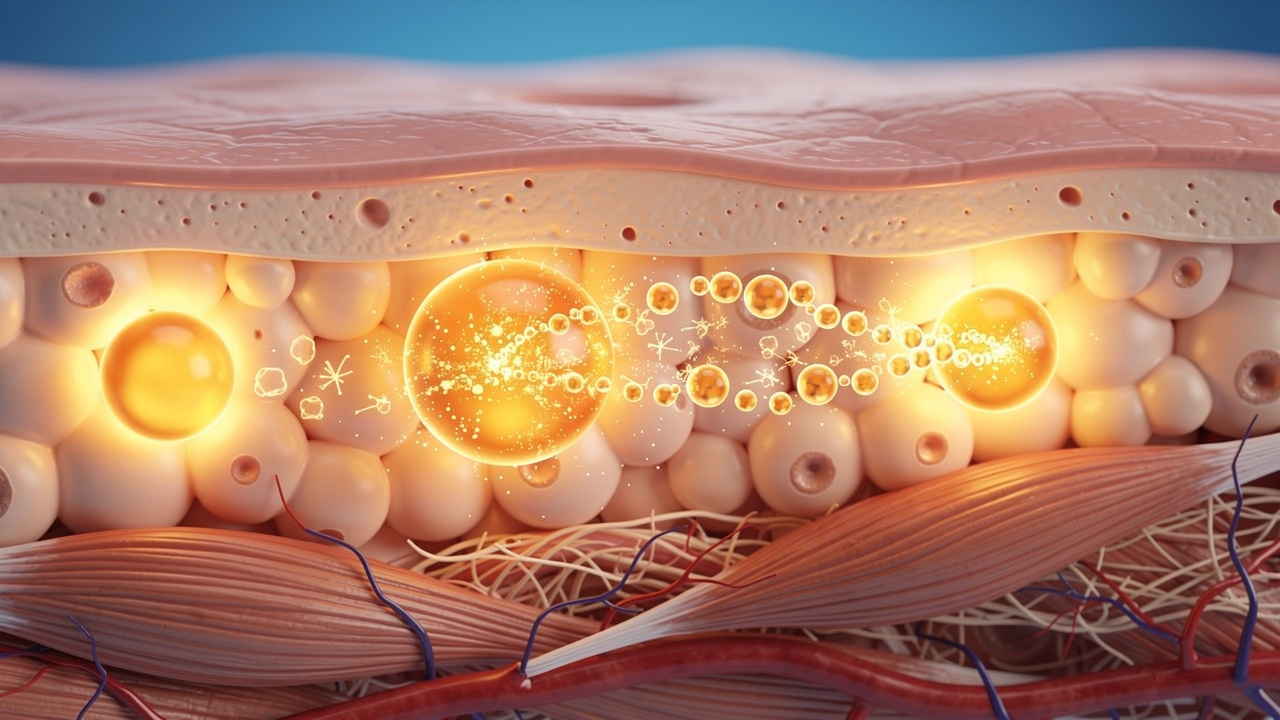
When someone practices intermittent fasting, the main change happens in how the body fuels itself. After a meal, the body uses glucose from carbohydrates for energy, and any extra is stored as glycogen in the liver and muscles. On a typical pattern with three meals and snacks spread across many hours, the body rarely has to reach beyond these recent calories.
When a person goes about 10 to 16 hours without food, glycogen stores begin to run low. At this point, the body shifts to burning stored fat. This change is known as metabolic switching. Fatty acids move from fat tissue to the liver, where they are turned into ketones. Ketones then travel through the blood and act as fuel for both the body and the brain. Research suggests that ketones may support memory and learning and may protect brain cells from some forms of damage.
Fasting does more than change the fuel source:
Short, planned fasts place a mild stress on the body’s cells, similar to how a workout challenges muscles and the heart.
In response, cells become better at handling stress, clearing damaged parts, and using energy more efficiently through processes such as autophagy (cellular “clean-up”).
Hormones linked with blood sugar and fat storage, such as insulin, may improve in this setting.
Some early research also points to changes in gene activity that are tied to healthy ageing and protection from chronic disease.
“Intermittent fasting elicits evolutionarily conserved, adaptive cellular responses that improve glucose regulation, increase stress resistance, and suppress inflammation.” — Prof. Mark P. Mattson, New England Journal of Medicine (2019)
While scientists are still learning about the long-term effects, this background helps explain why intermittent fasting may support weight control and health in some people.
Popular Intermittent Fasting Methods: Finding The Right Approach

There is no single “right” way to practice intermittent fasting. Different schedules work for different bodies, jobs, and family routines. When we guide clients at Home Dietitians, we match the method to their health, medication use, and daily commitments, rather than forcing one strict pattern.
The 16/8 Method (Time-Restricted Eating)
The 16/8 method is one of the easiest ways to start intermittent fasting for many adults. In this pattern, a person fasts for 16 hours each day and eats all meals and snacks within an 8-hour window. A common example is eating between 12 pm and 8 pm, then fasting overnight until the next day at noon.
Some people prefer an earlier window, such as 10 am to 6 pm, especially if they feel better with breakfast. Others may start with a 14-hour fast and a 10-hour eating window while they adjust. This approach fits well for people who like routine and already skip late-night snacks. Research suggests that simply shrinking the eating window does not guarantee weight loss, so people still need to pay attention to overall calorie intake and food quality during the eating hours.
The 5:2 Approach (Full-Day Fasting)
The 5:2 pattern spreads intermittent fasting across the week instead of every day. In this method, a person eats their usual healthy diet on five days of the week. On two non-consecutive days, they greatly reduce calorie intake, often to one small meal that provides around 500 to 600 calories.
People often choose quieter workdays or days without heavy exercise for their lower-calorie days. This approach can feel more flexible for those who prefer regular meals most days but do not mind two “light” days each week. Careful planning is important so that the fasting days still supply enough protein, fluids, and micronutrients.
Alternate-Day Fasting
Alternate-day fasting is a more intense version of intermittent fasting and is often better suited to people who like strong structure and have good medical oversight. In this pattern, a person switches between days of normal eating and days of fasting or very low calorie intake. A common modified version allows about a quarter of usual calories on fasting days.
Some research on this method shows benefits for weight and metabolic health, but many people find it difficult to keep up over time. There is also a risk that people eat far more than usual on non-fasting days, which can cancel out the calorie gap from the fasting days. Because of this, close monitoring and support from a dietitian are very helpful.
Important Caution About Extended Fasting
Longer fasts that last 24 hours or more may sound tempting for faster results, but they are not automatically better. Extended fasts can cause low blood sugar, dizziness, dehydration, and may disturb electrolyte balance. They can also trigger a “starvation response” in the body. When the body senses a long period without food, it may start holding on to fat more tightly once eating restarts.
Before anyone tries fasts that go beyond overnight or a skipped meal, a detailed discussion with a doctor and a clinical dietitian is very important. This is especially true for people taking medication for blood pressure, diabetes, or mood, as doses may need adjustment.
Evidence-Based Health Benefits: What Research Shows About Intermittent Fasting

Research on intermittent fasting has grown over recent years, with many studies in animals and a smaller but growing number in humans. The early findings are encouraging, but they also come with limits, especially when it comes to long-term outcomes. Even so, several clear patterns are starting to appear.
For weight management:
Intermittent fasting can help create a calorie gap and extend the time the body spends burning stored fat.
Studies in adults with obesity show that structured fasting patterns can lead to weight loss and, in some plans, help maintain muscle mass while fat mass goes down.
Results are better when people combine intermittent fasting with nutrient-dense meals instead of using eating windows to binge on sweets or fried food.
For blood sugar and insulin:
In people with type 2 diabetes or insulin resistance, intermittent fasting may help lower fasting glucose and insulin levels and may improve how the body responds to insulin.
In some carefully supervised cases, people have been able to reduce or stop insulin injections after moving to a safe fasting routine and a balanced diet.
Any person with diabetes who wants to try intermittent fasting must work closely with a doctor because medication doses often need adjustment and blood sugar monitoring becomes even more important.
For heart and brain health:
There are signs that intermittent fasting may support heart health by improving blood pressure, resting heart rate, and cholesterol levels in some groups.
Some studies point to better memory and thinking skills, which may be linked to ketones and cell repair processes.
Reduced markers of inflammation and oxidative stress have been seen in some groups, such as adults with asthma.
However:
Not all studies show the same outcomes, and some suggest that certain fasting patterns might raise heart disease risk in specific groups.
Many studies are short-term, involve small groups, or include people who also change other parts of their lifestyle, such as exercise.
That is why we stress that results vary widely between individuals. At Home Dietitians, we review lab work, medical history, and daily routines before suggesting intermittent fasting, so that any plan fits the person rather than the other way around.
What To Eat (And Avoid) During Fasting And Eating Windows

What someone eats during their eating window has a huge impact on how well intermittent fasting works. A thoughtful fasting schedule cannot make up for constant fast food, sugary drinks, or very low intake of fruits and vegetables. We help clients see intermittent fasting as a structure around a healthy eating pattern, not a free pass to eat anything in sight.
During Fasting Periods
During fasting hours, the focus shifts from food to fluids and comfort strategies:
Plain water is the most important choice, because mild dehydration can make hunger, headaches, and fatigue feel worse.
Many people also drink black coffee or unsweetened tea during fasting hours, which generally does not disturb the fasting state for most people.
Drinks that contain calories, such as regular soft drinks, juice, milk, or coffee with sugar and cream, tend to break the fast and may reduce the benefits.
Some people also find that brushing teeth, going for a short walk, or keeping busy with tasks can help them move through waves of hunger without eating.
During Eating Periods
When the eating window opens, the goal is to refuel with balanced, satisfying meals instead of grazing on snacks all day. “Eating normally” in this context means eating in a way that supports health, not eating unlimited fast food or desserts. Many studies use a Mediterranean-style eating pattern because it is rich in plants, healthy fats, and lean proteins.
Key building blocks include:
Vegetables:
Meals that are built around vegetables provide vitamins, minerals, and fibre that help people feel full and support digestion. For example, a plate that is half filled with leafy greens, mixed vegetables, or salad gives volume without excessive calories. This pattern also supports heart health and blood sugar control over time.Healthy Fats:
Healthy fats from olive oil, nuts, seeds, and avocados add flavour and keep hunger steady between meals. These fats can replace butter, creamy sauces, or deep-fried foods, which are more likely to raise saturated fat intake. When combined with vegetables and whole grains, they help make meals more satisfying.Protein:
Protein foods such as fish, poultry, eggs, tofu, and legumes are important during intermittent fasting because they support muscle maintenance. Spreading protein across meals can help reduce cravings and keep energy steady through the day. Choosing less processed options helps keep added sodium and preservatives lower.Complex Carbohydrates:
Complex carbohydrates from whole grains like brown rice, whole wheat bread, oats, and quinoa give long-lasting energy instead of quick spikes. These foods come with fibre, B vitamins, and minerals that support heart and gut health. Pairing them with protein and healthy fat slows digestion and supports stable blood sugar.
Fibre-rich foods from fruits, vegetables, legumes, and whole grains are especially helpful because they support fullness during the eating window and help prevent constipation, which can be a side effect of intermittent fasting.
At Home Dietitians, we build personalised meal plans around each client’s culture, taste preferences, and medical needs so that their eating window supports both fasting goals and overall health.
Potential Side Effects And Risks: What You Need To Know
Even when done carefully, intermittent fasting can come with side effects, especially in the first few weeks. As the body adjusts from frequent eating to longer breaks between meals, it is common to feel hungry, distracted, or a little “off.” Knowing what to expect and how to respond can make the difference between a safe adjustment and a harmful pattern.
During the early phase, many people report:
Strong hunger or cravings
Irritability and mood swings
Headaches
Fatigue or low energy
Dizziness or light-headedness
Nausea
Constipation, especially if fibre and fluids are low
Some women notice changes in their menstrual cycle, such as lighter or less regular periods, when their calorie intake drops too low. These signs are important feedback from the body and should not be ignored.
Another concern is compensatory overeating on non-fasting days or during eating windows. If someone skips breakfast but then eats very large portions of fast food, sweet drinks, and snacks later, the total calorie intake may still be too high for weight loss or blood sugar control. Studies in both animals and humans show that when overeating cancels out the calorie gap from fasting, health markers do not improve as expected. The basic rule still holds that weight loss depends on overall calorie balance, no matter what timing method is used.
Intermittent fasting can also create social and emotional stress. Skipping shared meals such as family breakfasts, holiday brunches, or dinners with friends may feel isolating. Some research has raised concerns that certain patterns, such as 8-hour time-restricted eating linked to a 91% higher risk of cardiovascular death according to American Heart Association findings, might raise heart disease risk for some people, though more research is needed to fully understand these associations.
Because long-term data are limited, we encourage people to:
Move slowly when changing meal timing
Notice patterns in sleep, mood, and energy
Speak with a healthcare provider if headaches, anxiety, or other symptoms persist
At Home Dietitians, we adjust fasting plans, or sometimes advise stopping them, if side effects outweigh benefits for a client.
Who Should Avoid Intermittent Fasting? Safety Considerations
Intermittent fasting is not appropriate for everyone, and in some cases it can be harmful. Before changing meal timing in a big way, it is always wise to talk with a primary care doctor and a registered dietitian, especially for people who take medication or live with chronic illness.
Certain groups should not practice intermittent fasting:
Pregnant and breastfeeding women need steady energy and nutrients to support both their bodies and their babies, so long fasts are not safe.
Children and teenagers are still growing in height, bone strength, and brain development, and they need regular meals and snacks for both energy and nutrition.
Anyone with a history of an eating disorder, such as anorexia, bulimia, or binge eating, may find that fasting patterns trigger old thoughts or behaviours.
Additional high-risk groups include:
People with type 1 diabetes who use insulin, because they face a high risk of dangerous low blood sugar during fasting hours
Individuals with very low body weight or unintentional weight loss
People with fragile bones, a high risk of falls, or certain heart conditions
Some older adults who are prone to dehydration or low blood pressure
For people with type 2 diabetes, some research supports intermittent fasting when there is close medical supervision and careful adjustment of medication, but this still needs a case-by-case review.
At Home Dietitians, we complete a thorough assessment before suggesting intermittent fasting. We review diagnoses, lab results, medication timing, sleep, stress, and family responsibilities. When intermittent fasting is not a good fit, we offer other structured eating patterns that support weight, blood sugar, and long-term health without extended fasts.
“Nutrition plans should be individualised, realistic, and sustainable over time.” — Academy of Nutrition and Dietetics
How Home Dietitians Supports Your Intermittent Fasting Plan

Supporting someone through intermittent fasting involves far more than handing over a schedule of eating and fasting hours. At Home Dietitians, we start by listening to each person’s health story, concerns, and goals, whether they are looking to reduce medication, support heart health, or manage weight in a steady way.
We conduct a full assessment that covers:
Medical history and current diagnoses
Medications and supplements
Lab results where available
Work schedule, sleep, and stress
Family routines and cultural food practices
Based on this, we help decide whether intermittent fasting is a suitable option or whether another pattern would be safer. If intermittent fasting makes sense, we then select a method such as 16/8 or 5:2 that matches the person’s daily life.
Our dietitians provide:
Clear meal ideas and shopping guidance so that eating windows are filled with nutrient-dense foods, not just convenient snacks
Strategies for dealing with hunger, such as timing higher-fibre and higher-protein meals, staying hydrated, and planning social events without feeling left out
Guidance on how to adjust fasting around travel, holidays, and busy weeks
Because we offer both online consultations and in-clinic visits at our Bukit Damansara location, clients from across the Klang Valley and beyond can choose the format that suits them. With regular follow-up, we track progress, review lab results when available, and adjust the plan so that intermittent fasting remains safe, realistic, and helpful rather than stressful.
Conclusion
Intermittent fasting is a structured way of eating that focuses on timing, and for many adults it can support weight loss, better blood sugar control, and other health gains. The science points to metabolic switching, ketone production, and improved cell repair as possible reasons for these changes. At the same time, the results depend heavily on overall diet quality, lifestyle, and whether the method matches a person’s health background.
This pattern is not right for everyone, especially for people in sensitive life stages or with certain medical conditions. A thoughtful review with a doctor and a registered clinical dietitian is the safest way to decide whether to try intermittent fasting. At Home Dietitians, we help clients weigh the pros and cons, choose an approach that fits their lives, and build eating plans that protect long-term health. Anyone who is curious about intermittent fasting and wants a safe, evidence-based approach can book a consultation with our team to find out if it is the right step.
FAQs
Question 1: How Long Does It Take To See Results From Intermittent Fasting?
Most people notice early changes such as lighter bloating, slightly lower weight, or better control of evening snacking within two to four weeks of starting intermittent fasting. Changes in lab markers like fasting glucose, insulin, and cholesterol often take several weeks to a few months.
The time frame always depends on:
How consistent someone is with their chosen method
How nourishing their food choices are during eating windows
Which intermittent fasting schedule they use
At Home Dietitians, we set realistic expectations based on each person’s starting point and health goals, and we adjust the approach if progress stalls or side effects appear.
Question 2: Can I Exercise While Practicing Intermittent Fasting?
Exercise and intermittent fasting can work together well, but timing matters. Some people feel fine doing light to moderate workouts during fasting hours, while others feel better when they eat first and then exercise within their eating window.
A few practical tips:
Start with light or moderate exercise (such as walking or gentle cycling) if you choose to train while fasting.
Pay attention to warning signs such as weakness, dizziness, or unusual shortness of breath; if these appear, stop and discuss your plan with a professional.
Make sure your eating windows include enough protein, fluids, and carbohydrates to support recovery.
Our dietitians help design meal and snack patterns that support both movement and fasting, so that exercise feels sustainable rather than draining.