
7 Diet Tips to Know After Heart Surgery
Table of Contents
After heart surgery, dietary adjustments are crucial, whether it’s valve repair/replacement surgery, commonly known as bypass surgery/coronary artery bypass grafting. Diet plays a significant role in expediting the recovery process, reducing the risk of heart disease recurrence, and maintaining overall cardiovascular health. Key points for post-heart surgery diet include:
1. Postoperative Dietary Stage Adjustment
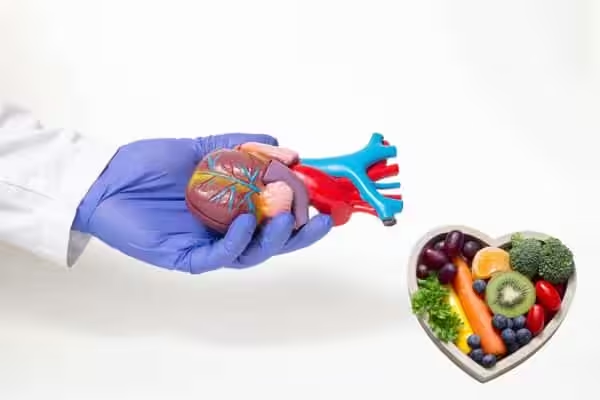
After stabilization, a semi-liquid diet, including congee, vegetable puree, and soft foods, is recommended. It’s advised to incorporate boneless fish, skinless chicken, minced meat, and scrambled eggs to increase protein intake. Gradually transition back to a normal, solid diet after the patient’s wound has sufficiently healed.
2. Emphasis on Protein
Protein, essential for wound healing, immune function, and muscle recovery, should be increased after surgery. Protein sources include fish, lean meat, chicken, legumes, tofu, nuts, and seeds. Distribute protein intake throughout the day for better absorption and utilization. In cases of prolonged low food intake, consider Oral Nutritional Supplementation (ONS) under the guidance of a dietitian.
3. Adequate Consumption of Fruits and Vegetables

Rich in dietary fiber, vitamins, minerals, and antioxidants, fruits and vegetables aid in restoring intestinal function and alleviating constipation. They provide essential nutrients for postoperative body repair and recovery. Vitamin C in fruits helps wound healing, and magnesium in leafy vegetables enhances cardiac excitability, suppressing arrhythmias.
4. Avoidance of High Cholesterol Foods
Patients, especially post-bypass surgery, should avoid foods rich in cholesterol to prevent negative effects on endothelialization. Excessive intake of high-cholesterol foods may prolong endothelialization time or even cause re-narrowing of the stent. Examples of high-cholesterol foods include organ meats, fish roe, chicken skin, crab, and egg yolks.
5. Smoking Cessation and Alcohol Restriction

Smoking has a significant impact on the cardiovascular system, increasing the risk of cardiovascular events. Quitting smoking improves vascular function, reduces cardiac burden, and lowers the risk of heart attacks and other cardiovascular events. While moderate alcohol consumption may have potential cardiovascular benefits, excessive alcohol intake poses clear risks. Limit alcohol intake to two standard drinks per day for men and one for women.
6. Limiting Fluid Intake
Post-heart surgery, monitoring fluid intake is crucial to prevent heart failure. Daily fluid intake, including water, beverages, soup, and liquid-containing foods, should be appropriately distributed to maintain fluid balance while restricting overall intake. Avoid heavily seasoned or salty foods to prevent fluid retention.
7. Moderate Exercise, Rest, and Timely Medication

In the first week post-surgery, engage in light exercises, avoiding heavy lifting until the sternum wound is fully healed (usually around six weeks). Gradually incorporate moderate-intensity aerobic exercises for 30-60 minutes daily, focusing on cardiovascular rehabilitation. Ensure adequate sleep, rest, and maintain a regular sleep schedule. Adhere strictly to prescribed medication schedules.
By following these principles and consulting with medical professionals, patients can achieve effective recovery after heart surgery. Consider personalized dietary plans from a professional dietitian to ensure sufficient nutrition intake for health restoration. In addition to personalized dietary plans, patients should also prioritize regular physical activity to aid in their recovery and improve overall health. By working with physical therapists and following tailored exercise regimens, patients can gradually build their strength and endurance. Furthermore, managing cancer side effects, such as fatigue and nausea, can be achieved through medication management and therapeutic interventions recommended by healthcare providers. By taking a comprehensive approach to recovery, patients can improve their quality of life and set themselves up for long-term success.